

2026 Midterm Elections: Which Bexar County Offices Affect Real Estate?
Written By: Erin Wall, San Antonio REALTOR® with LPT Realty
License Number: Texas - 833167
Date: November 2, 2026
Election season tends to focus heavily on national politics, but when it comes to owning, buying, selling, or investing in property, some of the government positions closest to home can have a much more direct impact.
Property taxes, appraisal districts, roads, development rules, school funding, housing laws, and infrastructure are all connected to decisions made by elected officials at different levels of government.
With the 2026 midterm election happening November 3, I wanted to break down which elected positions can actually affect real estate in Bexar County and, just as importantly, what those officials do not control.
This is strictly an informational overview. It is not an endorsement of any candidate, political party, or ballot position.
Bexar County Judge and Commissioners Court
The Bexar County Commissioners Court is the governing body of Bexar County. It includes the county judge, who is elected countywide, and four county commissioners who each represent a precinct.
Despite the word "court" in its name, Commissioners Court is primarily an administrative and governing body rather than a traditional courtroom.
For property owners, this is one of the more directly relevant parts of county government.
Commissioners Court adopts the county budget and county property tax rate. It also makes decisions involving county roads, bridges, infrastructure, county facilities, and certain development matters in unincorporated areas of Bexar County.
That means its decisions can affect both the cost of owning property and how areas outside city limits develop over time.
The county judge does not make these decisions alone. The judge serves as part of the five-member Commissioners Court, and many decisions require action by the court as a whole.
For the 2026 election, the Bexar County Judge position and County Commissioner Precincts 2 and 4 are on the ballot.
The Bexar Central Appraisal District Board
If you own property in Bexar County, you are probably familiar with the Bexar Central Appraisal District, commonly called BCAD.
BCAD is responsible for appraising taxable property within Bexar County. The appraisal district determines property values for tax purposes and administers exemptions and certain other property tax programs.
One important distinction is that BCAD does not set your property tax rate.
The appraisal district determines taxable property values. Your local taxing entities, such as the county, city, school district, and certain special districts, adopt their own tax rates.
BCAD has a board of directors that oversees the appraisal district at a governance level. The board does not personally decide what an individual homeowner's property is worth.
Three members of the BCAD board are now elected directly by voters in Bexar County. Places 1, 2, and 3 are all on the November 2026 ballot.
These positions are especially relevant to homeowners because the board helps oversee the organization responsible for the property appraisal system, although the board itself does not set individual appraised values or local tax rates.
School District Boards and Property Tax Elections
School districts are another major part of the property tax system in Texas.
If you look at a property tax bill, the school district portion is often a significant piece of the total amount.
School boards oversee district budgets and adopt school district tax rates within the limits of Texas law. They may also call bond elections or other tax-related elections when voter approval is required.
A school bond generally allows a district to borrow money for approved capital projects, such as buildings, renovations, technology, or other long-term improvements.
Tax-rate elections can involve a district asking voters to approve a tax rate above certain limits established by state law.
Not every Bexar County voter will see the same school district races or propositions. Your ballot depends on where you live and which school district serves your property.
For homeowners, these elections are worth understanding because school district taxes can directly affect the annual cost of owning a home.
The Texas Legislature
The Texas Legislature probably has a larger influence on real estate than many people realize.
Texas lawmakers write and amend state laws involving property taxes, landlord and tenant relationships, real estate transactions, development, homeowners' associations, insurance, property rights, and many other issues connected to housing.
They also create the laws that govern appraisal districts and the Texas property tax system.
Every member of the Texas House of Representatives is elected every two years, while Texas senators serve staggered four-year terms.
The specific state legislative races on your ballot depend on which Texas House and Senate districts include your address.
For real estate, these races matter because many of the rules affecting buyers, sellers, landlords, tenants, investors, builders, and property owners originate at the state level.
The Governor of Texas
The governor also plays a role in real estate policy, although that role is different from that of the Legislature.
The Texas Legislature passes bills. The governor can sign legislation into law, allow certain legislation to become law without a signature, or veto legislation subject to the procedures established by the Texas Constitution.
That can include legislation involving property taxes, housing, development, insurance, and other issues affecting property owners.
The governor does not determine the value of your home, set your local property tax rate, or directly control mortgage interest rates.
Those are separate systems.
The Texas governor is one of the statewide offices on the 2026 ballot.
Texas Comptroller of Public Accounts
The Texas Comptroller is another statewide position with a connection to property taxes.
The Comptroller's office provides oversight, guidance, studies, and administration related to Texas's property tax system.
It also evaluates appraisal district performance and provides information about property tax laws and procedures.
However, the Comptroller does not appraise your individual home and does not set Bexar County's local property tax rates.
Those responsibilities remain with the local appraisal district and local taxing units.
This is a good example of why understanding the actual job of an elected office matters. A position may influence the system without directly controlling an individual homeowner's tax bill.
Texas Land Commissioner
The Texas Land Commissioner oversees the General Land Office.
The General Land Office manages certain state-owned lands and mineral interests and also has responsibilities involving disaster recovery and housing-related recovery programs.
For most Bexar County homeowners, this position has a less direct day-to-day impact than Commissioners Court, BCAD, or a local school district.
Still, the office can influence state land management and certain housing and disaster recovery programs.
The Texas Land Commissioner is also a statewide elected position.
U.S. House and Senate
Federal elections matter to housing too, although the effects tend to be broader.
Congress can pass legislation involving federal housing programs, taxation, mortgage regulation, community development, fair housing, and funding for agencies that administer housing programs.
Federal tax laws can also affect homeowners and real estate investors.
What Congress does not do is simply choose the mortgage rate consumers receive.
Mortgage rates are determined through financial markets and are influenced by several economic factors, including bond yields, inflation expectations, and monetary policy.
The Federal Reserve can influence borrowing conditions, but it does not directly set the rate on a 30-year mortgage either.
What About Property Taxes?
Property taxes are probably where all of these different government roles become the most confusing.
Texas does not have a state property tax.
Instead, local taxing entities levy property taxes.
Your property may be taxed by several different entities depending on where it is located, including Bexar County, a city, a school district, and various special-purpose districts.
BCAD determines the property's taxable value.
The individual taxing entities adopt their tax rates.
The two work together to determine the tax bill, but they are not the same thing.
That distinction matters when you're researching candidates or ballot propositions. Someone serving on the appraisal district board has a very different role from someone serving on Commissioners Court or a school board.
Which Elections Have the Most Direct Connection to Real Estate?
For a Bexar County homeowner, some of the positions with the clearest connections to property ownership include the County Judge and Commissioners Court, the BCAD Board of Directors, school district trustees, and state legislators.
Their responsibilities can involve property tax rates, appraisal district oversight, infrastructure, development regulations, school taxes, and state property laws.
Other offices, including governor, comptroller, land commissioner, and members of Congress, influence real estate through broader laws, programs, oversight, and funding.
None of these offices controls the entire real estate market.
Home prices are ultimately influenced by buyers, sellers, housing supply, demand, employment, population growth, borrowing costs, construction, and many other factors.
Government policy is one piece of that much larger picture.
Know What's Actually on Your Ballot
One thing I always recommend during an election is looking at your actual sample ballot rather than relying on a generic list online.
Two people living in different parts of San Antonio can have different congressional districts, state legislative districts, school districts, municipalities, and local propositions.
That means their ballots may look very different even though they both live in Bexar County.
When researching an elected position, it can also help to separate campaign promises from the legal authority of the office.
Ask a simple question: What does this position actually have the power to do?
For property owners, that makes it easier to understand which officials oversee property values, which ones vote on tax rates, which ones write state laws, and which ones influence housing policy at the federal level.
Real Estate and Local Government Are More Connected Than They Seem
Real estate doesn't exist in a vacuum.
Roads, schools, property taxes, development, utilities, infrastructure, and housing laws all play a part in how communities grow and what it costs to own property.
You don't have to be deeply involved in politics to understand those connections.
Knowing what each elected office actually does simply gives homeowners and future homeowners a clearer picture of how decisions affecting their property are made.
And regardless of political affiliation, understanding the responsibilities behind the names on a ballot is useful information for anyone who owns or plans to own real estate in Bexar County.
FROM OUR BLOG
What Does “Shortages in Area” Mean When Buying a Home in Texas? Understanding Survey Coverage and Title Insurance
What Does “Shortages in Area” Mean When Buying a Home in Texas? Understanding Survey Coverage and Title Insurance Written By: Erin Wall, San Antonio REALTOR® with LPT RealtyLicense Number: Texas - 833167Date: November 2, 2026 When you're purchasing a home in Texas, there's a lot of paperwork to revi
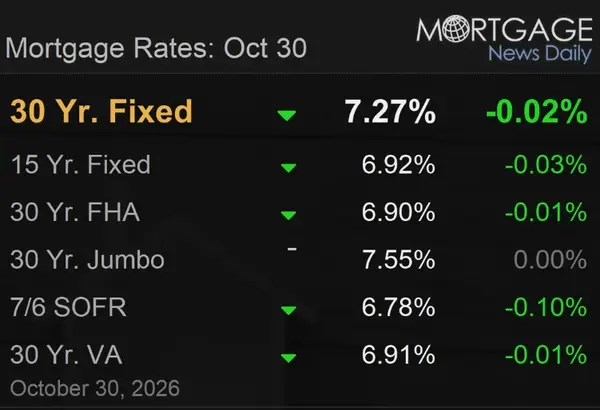
Mortgage Rates Climbed, and San Antonio's Housing Market Felt the Pressure. What Happens Next?
Mortgage Rates Climbed, and San Antonio's Housing Market Felt the Pressure. What Happens Next? Written By: Erin Wall, San Antonio REALTOR® with LPT RealtyLicense Number: Texas - 833167Date: November 2, 2026 If you've been keeping an eye on mortgage rates lately, you've probably noticed how quickly t

Things to Do in San Antonio in November 2026: Festivals, Holiday Lights & Local Favorites
Things to Do in San Antonio in November 2026: Festivals, Holiday Lights & Local Favorites Written By: Erin Wall, San Antonio REALTOR® with LPT RealtyLicense Number: Texas - 833167Date: November 2, 2026 November is one of those months when San Antonio really starts to feel like a different city. The

GET MORE INFORMATION