

What Happens During a Home Appraisal? A Texas Homebuyer's Guide
Written By: Erin Wall, San Antonio REALTOR® with LPT Realty
License Number: Texas - 833167
Date: November 2, 2026
You've found a home you love, negotiated an offer, signed the contract, scheduled your inspection, and started working through financing.
Then your lender says it's time for the appraisal.
For a lot of homebuyers, especially first-time buyers, this is one of the parts of the process that feels a little mysterious. You know someone is going to determine what the house is worth, but what are they actually looking at? What happens if the home doesn't appraise for the amount you offered? And is an appraisal basically the same thing as an inspection?
Not quite.
An appraisal is an important part of many financed home purchases, and understanding what it does before you get to that point can make the entire process feel a lot less intimidating.
What Is a Home Appraisal?
A home appraisal is an independent professional opinion of a property's value.
When you're financing a home, your lender is loaning money based partly on the property being used as collateral. Before lending hundreds of thousands of dollars, the lender generally wants some confirmation that the home's value reasonably supports the transaction.
That is where the appraisal comes in.
The appraiser evaluates the property and researches the surrounding market to develop an opinion of value.
One of the most important things for buyers to understand is that the purchase price and the appraised value are not automatically the same thing.
The purchase price is the amount you and the seller agreed to in your contract.
The appraised value is the appraiser's opinion of the property's market value based on the information available at the time of the appraisal.
Sometimes those numbers match exactly. Sometimes the appraisal comes in higher. And sometimes it comes in lower.
Who Orders the Appraisal?
For a financed purchase, the appraisal is typically ordered as part of the lender's loan process.
Even though the buyer is usually responsible for the appraisal fee, the buyer does not normally choose the individual appraiser performing the lender's valuation.
Appraisers are expected to remain independent.
That means your REALTOR®, the seller, the buyer, and the lender should not be controlling the appraiser's final opinion of value.
Once the appraisal is completed, the lender receives the report and uses it as part of the overall loan approval process.
What Does an Appraiser Look At?
An appraisal involves much more than looking at the home and deciding whether it feels like it's worth the purchase price.
The appraiser considers characteristics of the property itself along with information about the surrounding real estate market.
Depending on the property, that can include things like the home's square footage, lot size, age, condition, bedroom and bathroom count, layout, improvements, location, and other physical characteristics.
A major part of the appraisal is also the analysis of comparable sales, commonly called comps.
These are other properties that have recently sold and share meaningful similarities with the home being appraised.
The appraiser may consider differences between the subject property and the comparable homes and make adjustments when appropriate.
For example, one nearby home might have an additional bathroom. Another may be significantly more updated. One could have a larger lot, while another might be more similar in size but located in a slightly different area.
This is one reason home values cannot always be determined by simply multiplying square footage by an average price per square foot.
Two houses can be almost identical in size while having very different values.
The Appraisal Is Not the Same as Your Home Inspection
This is probably one of the biggest misconceptions I hear from buyers.
A home inspection and a home appraisal serve two very different purposes.
Your home inspection is primarily about the physical condition of the property.
A home inspector may evaluate visible and accessible components such as the roof, foundation, HVAC system, plumbing, electrical system, appliances, windows, and other areas of the home.
The appraisal is primarily about value.
An appraiser may observe certain property conditions, and some loan programs may have additional property requirements, but an appraisal is not intended to replace a thorough home inspection.
A home can appraise for the full purchase price and still have repairs that need attention.
Likewise, a home can be in excellent physical condition and still appraise below the agreed purchase price.
I generally look at these as two separate pieces of information.
The inspection helps you better understand what you're buying.
The appraisal helps the lender evaluate the value of what you're buying.
What Happens If the Home Appraises at the Purchase Price?
This is usually the easiest scenario.
Let's say you agree to purchase a home for $300,000 and the appraisal comes back at $300,000.
The appraised value supports the agreed purchase price, so from an appraisal standpoint, the transaction can generally continue moving through the financing process.
That does not mean the entire loan is automatically approved.
The lender may still be reviewing the buyer's income, assets, credit, insurance, title work, and other underwriting requirements.
It simply means the appraisal itself has not created a valuation problem.
What If the Home Appraises Higher Than the Purchase Price?
Buyers are usually pretty happy when this happens.
Let's say you're under contract for $300,000 and the appraisal comes back at $315,000.
You are still purchasing the home for the contract price of $300,000.
The seller does not automatically get to increase the price simply because the appraisal came in higher, and the lender does not usually hand the buyer the $15,000 difference.
For most purchase loans, the lender's calculations are still based on the applicable loan guidelines and the transaction terms.
A higher appraisal can certainly feel reassuring, but I also remind buyers that an appraisal is an opinion of value at a particular point in time.
It is not a guarantee that the property will continue increasing in value.
What Happens If the Appraisal Comes In Low?
This is where things get more interesting.
Let's say you agreed to purchase a home for $300,000, but the appraisal comes back at $285,000.
That creates a $15,000 difference between the contract price and the appraised value.
That difference is commonly called an appraisal gap.
The lender generally bases its financing calculations on the appraised value and the loan program's requirements, rather than simply ignoring the lower valuation and lending as though the property appraised at $300,000.
That means the buyer and seller may have some decisions to make.
Does a Low Appraisal Mean the Deal Is Dead?
Not necessarily.
A low appraisal can create a problem, but it does not automatically mean the transaction is over.
Depending on the contract, financing, and circumstances, there may be several possible ways forward.
The seller might agree to reduce the sales price.
The buyer might choose to bring additional money to closing.
The buyer and seller could potentially negotiate somewhere in the middle.
There may also be circumstances where additional information can be provided to the lender for consideration if there is a legitimate reason to question the appraisal.
And depending on the specific contract and financing terms, the buyer may have certain rights related to the appraised value.
This is one area where I never like making broad statements such as, "You can just cancel if it doesn't appraise."
Whether a buyer has that right depends on the actual contract and any financing or appraisal provisions included with it.
That's why your REALTOR® and lender need to review your specific transaction instead of relying on a general rule you saw online.
Can You Challenge a Low Appraisal?
Sometimes there is a process for requesting that an appraisal be reconsidered.
That does not mean simply telling the appraiser, "We think the house is worth more."
There normally needs to be a legitimate reason for the lender to request another review.
For example, there could be a relevant comparable sale that was overlooked, incorrect information about the subject property, or a factual error within the appraisal report.
Your real estate agent may be able to help identify comparable sales or property information that could be useful for the lender to review.
However, there is no guarantee the appraised value will change.
The appraiser ultimately has to support their opinion of value based on professional appraisal standards and the available market data.
Should You Automatically Pay an Appraisal Gap?
No.
But that does not mean paying above appraised value is always a bad decision either.
This is something I think buyers should look at carefully instead of reacting emotionally.
Let's say a house appraises $5,000 below the contract price.
Maybe the buyer still believes the home is worth the agreed amount because of its location, condition, lot, or limited competition.
Another buyer may decide they are uncomfortable putting additional cash into the transaction and would rather negotiate.
Neither reaction is automatically right or wrong.
The bigger question is whether the numbers make sense for you.
How much additional cash would you need?
Would paying the difference affect your emergency savings?
Are there comparable homes available for less?
How long do you plan to own the property?
Are you comfortable purchasing above the appraised value?
Those are much more useful questions than simply asking whether someone else would pay the gap.
What If You Don't Have Extra Cash for an Appraisal Gap?
This is why appraisal risk should be discussed before making an offer, not after the appraisal comes back.
If a buyer is already using most of their available savings for the down payment and closing costs, an unexpected appraisal gap could be difficult to cover.
That does not necessarily mean the buyer cannot move forward, but it can limit the available options.
Depending on the situation, the parties may negotiate the price or other contract terms.
This is also why I want to understand a buyer's comfortable cash-to-close amount before we start writing offers.
There's a big difference between technically having $20,000 available and being comfortable spending every dollar of it.
I would much rather know where that line is ahead of time.
Does the Appraiser Know the Contract Price?
In many transactions, yes.
The appraiser may have access to the purchase contract and know the agreed sales price.
That does not mean the appraiser's job is simply to make the value match the contract.
The appraiser still has to develop and support an independent opinion of value.
Sometimes the market data supports the purchase price.
Sometimes it supports a higher number.
Sometimes it does not.
Can Sellers Help With the Appraisal?
Sellers and listing agents can help make sure relevant property information is available.
That might include information about recent improvements, permitted additions, features that may not be obvious, or comparable sales that could be relevant.
The purpose is not to pressure the appraiser.
It is simply to make sure accurate information about the property is available.
An appraiser still determines what information is relevant and how much weight it should receive.
How Long Does an Appraisal Take?
The timing varies.
The appraiser has to receive the assignment, review the property, research comparable sales, complete the analysis, prepare the report, and submit it to the lender.
The lender may also need time to review the completed report.
In some transactions, the process moves quickly. In others, availability, property complexity, market conditions, or additional lender requirements can add time.
This is one reason appraisal deadlines and financing timelines matter during a purchase.
Your REALTOR® and lender should be communicating with you about where things stand rather than waiting until the last minute to discover a problem.
What About FHA and VA Appraisals?
Different loan programs can have different appraisal requirements.
An FHA or VA appraisal is still an appraisal of the property's value, but those loan programs may also include property-related requirements that differ from a conventional mortgage.
That does not turn the appraisal into a home inspection.
Buyers using FHA or VA financing should still understand the difference between the lender's appraisal requirements and an independent home inspection.
Your lender can explain the specific appraisal requirements associated with your loan program.
The Appraisal Is One Piece of a Much Bigger Process
When buyers first hear the word appraisal, it can sound like a pass-or-fail test for the house.
I don't really look at it that way.
The appraisal is one more piece of information in a much larger transaction.
You already have the purchase contract, inspection, financing, title work, insurance, and your own financial comfort level to consider.
If the appraisal supports the purchase price, great. We keep moving.
If it comes in low, we look at the numbers, the contract, the available options, and what makes sense for you.
That's the part I think matters most.
Buying a home is a big financial decision, and you should understand what's happening at each stage instead of feeling like paperwork and deadlines are simply happening around you.
If you're purchasing a home in San Antonio and have questions about the appraisal process, I'm always happy to help explain where it fits into the bigger picture and what to expect as you move toward closing.
FROM OUR BLOG

What Does “Shortages in Area” Mean When Buying a Home in Texas? Understanding Survey Coverage and Title Insurance
What Does “Shortages in Area” Mean When Buying a Home in Texas? Understanding Survey Coverage and Title Insurance Written By: Erin Wall, San Antonio REALTOR® with LPT RealtyLicense Number: Texas - 833167Date: November 2, 2026 When you're purchasing a home in Texas, there's a lot of paperwork to revi
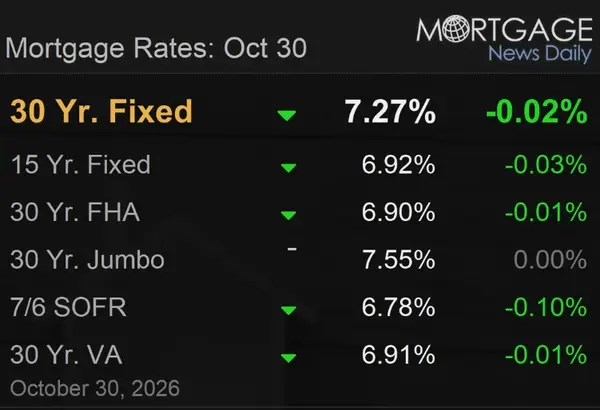
Mortgage Rates Climbed, and San Antonio's Housing Market Felt the Pressure. What Happens Next?
Mortgage Rates Climbed, and San Antonio's Housing Market Felt the Pressure. What Happens Next? Written By: Erin Wall, San Antonio REALTOR® with LPT RealtyLicense Number: Texas - 833167Date: November 2, 2026 If you've been keeping an eye on mortgage rates lately, you've probably noticed how quickly t

Things to Do in San Antonio in November 2026: Festivals, Holiday Lights & Local Favorites
Things to Do in San Antonio in November 2026: Festivals, Holiday Lights & Local Favorites Written By: Erin Wall, San Antonio REALTOR® with LPT RealtyLicense Number: Texas - 833167Date: November 2, 2026 November is one of those months when San Antonio really starts to feel like a different city. The

GET MORE INFORMATION